Pilates Works, Until it Doesn’t; Why Strength Training may be the Missing Piece
A guide for Pilates practitioners ready to build real strength, reduce injury risk, and move freely for life, from Brit Williams at Core Connect, Dubai.
It’s something I’ve observed so often in the last few years.
There’s the curious glances into my strength training classes as the studio’s reformer regulars pass by, content in their devoted practice but not without questions about the gaps it leaves behind.
When I’m lucky enough to join a Pilates class, there’s the shy post-class enquiries as to how I built my own muscle and acquired a kind of strength that doesn’t seem built on the machines (spoiler alert: it wasn’t).
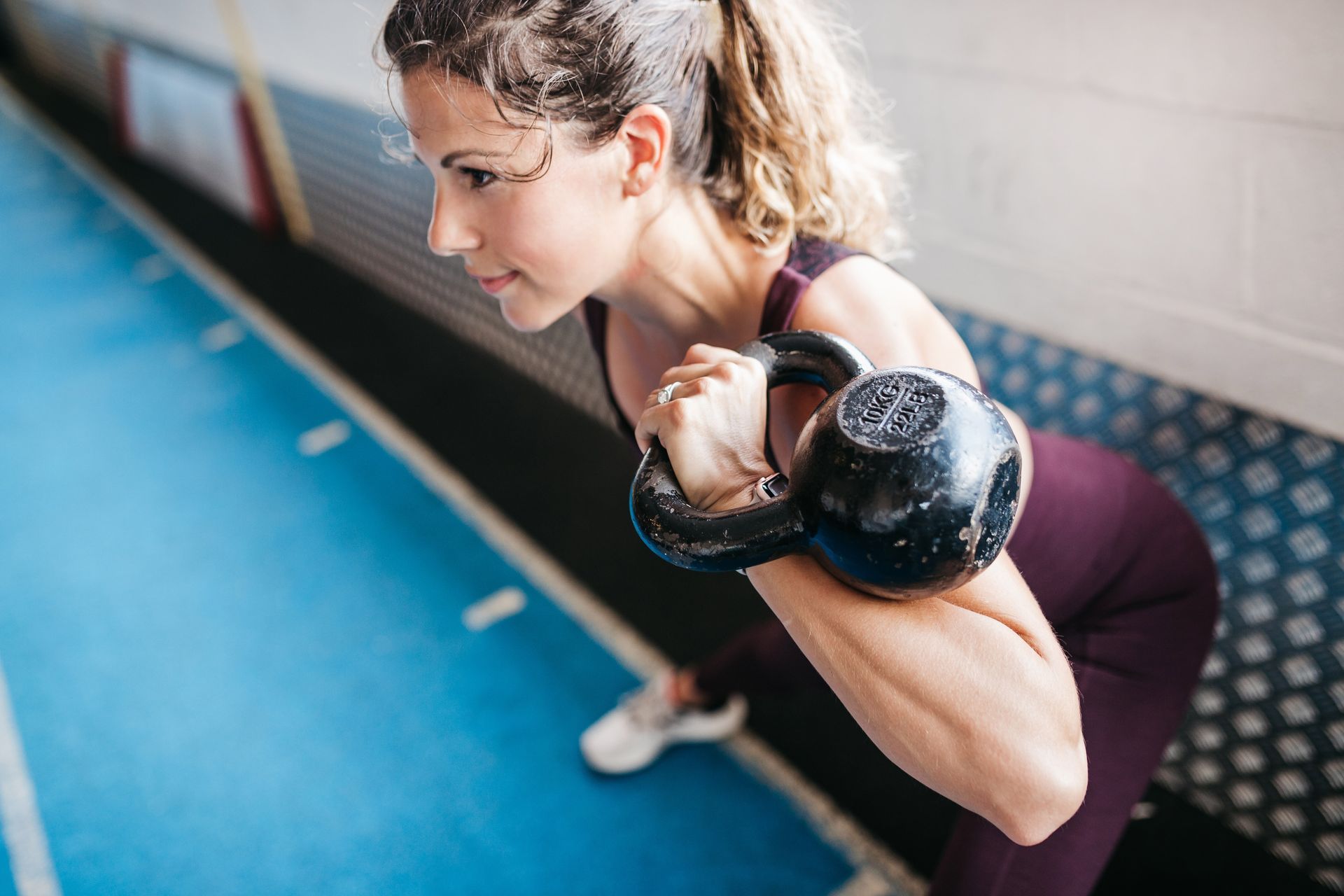
And, slowly, gratifyingly, sometimes with a lot of persuasion (thank you, Marianne!), someone dips their toe in the water and learns that lifting heavier doesn’t break them. In fact, they start to find it makes them: into someone more confident, more balanced, bolder with both dumbbell selection and Pilates progressions alike. Old recurring aches subside, disappear entirely, occasionally replaced by an irksome side of next-day soreness that helpfully reminds you something new is in the making: muscle.
Making the Switch, in Mind and Body
You can feel it, see it, and maybe (finally) separate your worth from numbers on a scale that can never accurately reflect what you’re made of. Yes, embracing a true lifetime of strength and unwavering freedom of movement starts with a mindset switch you can make right now, and so often it’s the one thing holding you back from truly embracing a strength training practice. The second you embrace weight training is the second you stop shrinking the space you take up, and start owning every space you enter. You become capable of always lifting, pushing, pulling, holding a little more (sometimes a lot more) than life demands of you - and so life feels easier, lighter too.
And guess what? If you start now, that will continue to be true long into the future.
Because muscle is one of the few things we are actively losing as we age, unless we deliberately work to keep it. From our thirties onwards, we naturally lose muscle mass and strength every decade, with that decline accelerating later in life. For women especially, the hormonal shifts of perimenopause and menopause make it harder to maintain both muscle and bone density, which is why so many suddenly feel weaker, more injury-prone, more “stuck” in their bodies seemingly overnight. Your future muscle and bone are being built - or lost - right now.
Clever thing that it is, the body adapts remarkably well when we give it a reason to. Strength training provides that reason. When you lift weights, your muscles receive the signal to grow stronger, and your bones receive the signal to become denser. Unlike cardio or light resistance exercise alone, progressive weight training allows you to continually increase the challenge over time. As challenge is the driving force behind adaptation, we find the only thing that thrives in exercise familiarity is a plateau.
If You Love Pilates, You’re Already Halfway There
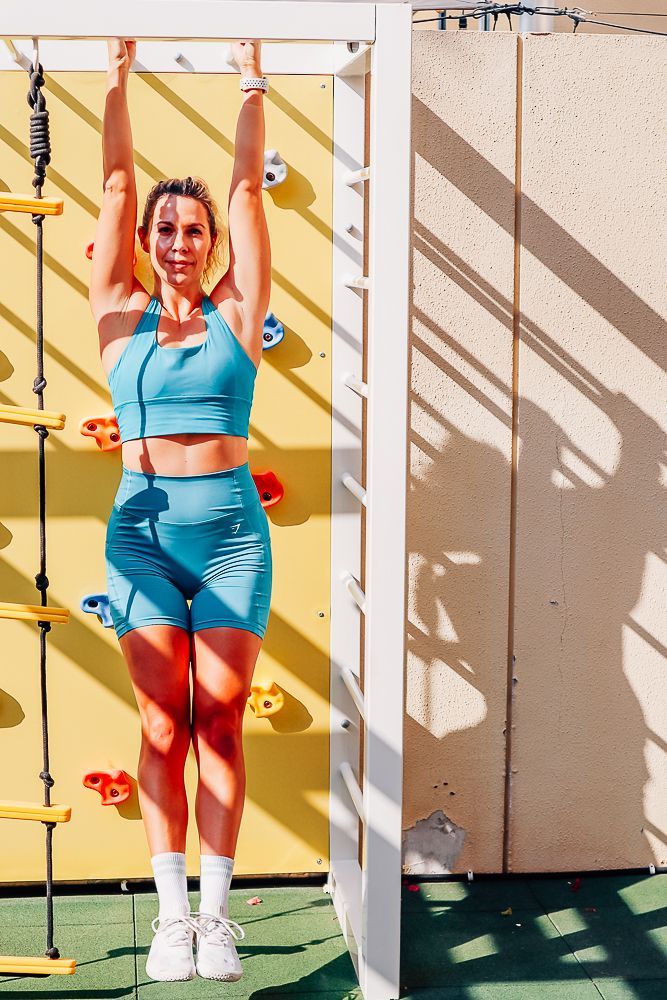
The good news it that Pilates gives you skills it can take years to master through strength training alone. A strong Pilates practice develops breath control, core integration, coordination, and muscular endurance in ways that can dramatically improve how steadily you’ll progress when you begin lifting weights. When you understand alignment, control and pressure, your strength training trajectory skyrockets because you begin by loading good movement patterns, skipping the compensations (and potential for injury) a less-aware body picks up along the years. Consider strength training an expansion of Pilates’ benefits - an ally, not a rival.
While you can get a Pilates-anointed degree in control and balance, where the discipline falls short is its ability to raise the resistance enough to trigger serious muscle strength and growth. For that, you need to lift heavy. At least heavy enough to out-train your daily demands, whether that’s carrying children, participating in sport, getting in and out of a chair, or anything in between. Resistance is the one variable where Pilates’ maximum will become your minimum, and it’s the one variable that we must maximise in order to live without pain, fragility, or fear.
When the World Turned Growth On Its Head
Of course, there’s one battle left to navigate, and that’s against some devious social conditioning that attempts to convince women that having bigger, stronger muscles is less appealing or feminine. Within the same marketing canon, we’re told that a ‘toned’ body is healthy.
And so a whole generation of women set out to ‘tone’ their bodies, when in fact no such verb exists and the actual scientific noun was appropriated from a term referring to sufficient muscle contraction for basic functions like standing up. I don’t see many of us flopping over for lack of muscle tone, but I do see a lot of body composition changes that lead to life-changing falls later in life.
Does a little aesthetic motivation help? Sure, because more visible muscle alongside low body fat is exactly what ingenious marketing has packaged as the “toned” body we set on a pedestal. You know what? A little human vanity is fine with me if it gets you to pick up the weights in the first place, because what keeps you coming back is even more motivating quality of life.
Ironically, the muscle mass so many women fear building (the so-called “bulk”) is what reduces the impact of hormonal changes in menopause. Obsessing over “lean” in your 30s is self-limiting in your 40s because glucose metabolism largely takes place in the muscles. Not having enough muscle in your 40s and beyond can see insulin sensitivity nose-dive, and weight management take a harsh swing towards fat-favouring body composition changes.
It’s no surprise certain weight loss drugs are becoming so popular, but the indiscriminate way they reduce both fat and muscle is a combination with consequences I don’t need a crystal ball to understand.
Ready to Lift? Start Here
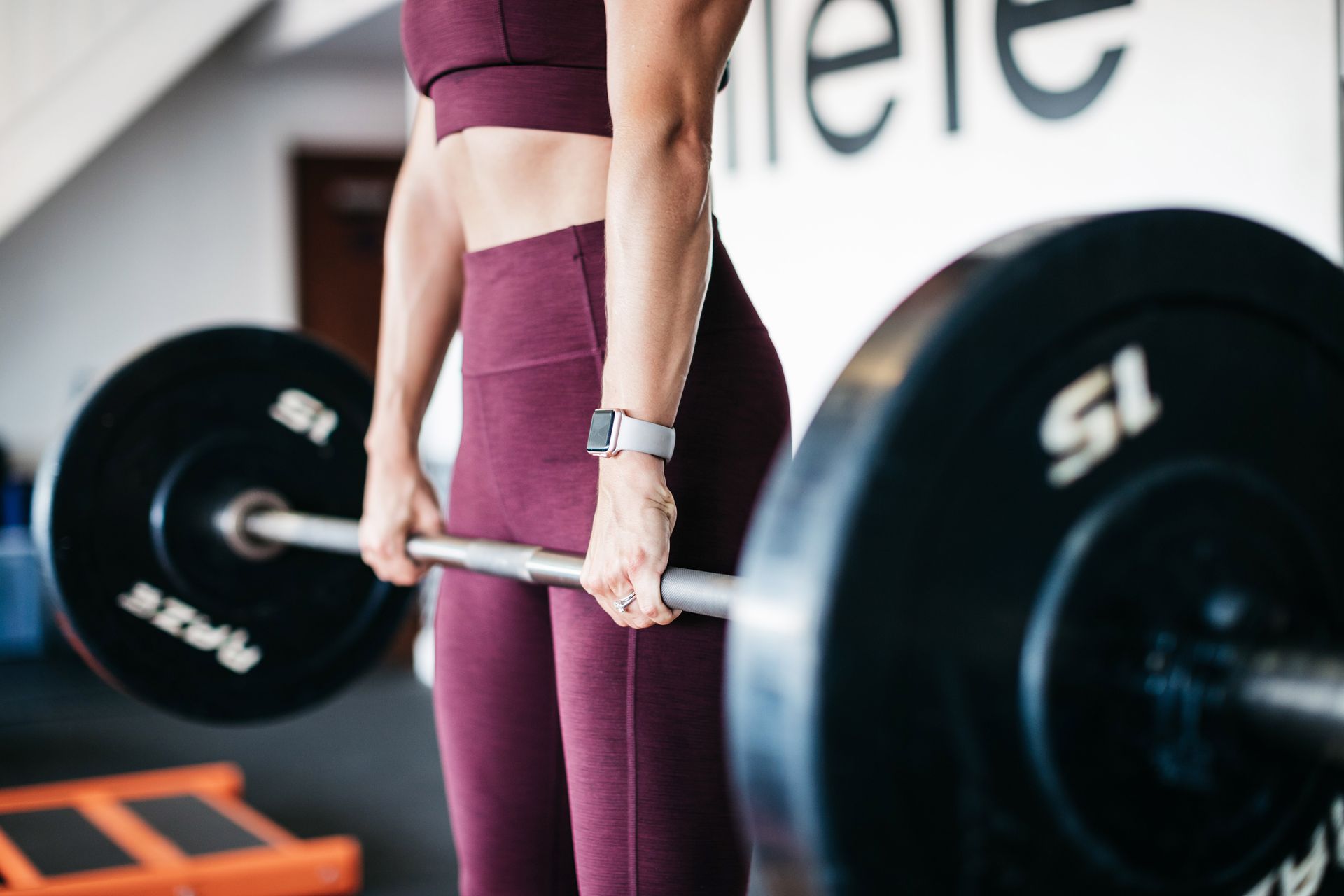
If you’re reading this, the good news is that you probably already have made a start. So many of Pilates’ foundational exercises overlap with strength training. Simply step away from the instability of the reformer bed and pick up a heavy enough weight to make 12 or fewer reps of an exercise feel quite challenging. Then keep lifting up a heavier weight every time, until what you could once barely pick up you can now hold for 4-12 repetitions. According to international health guidelines, and the science of muscle adaptation, doing this for most muscle groups at least twice a week is enough to preserve and build new muscle.
I understand that new spaces can feel intimidating, so we’re lucky to have a safe space right inside Core Connect where you can put these principles into action. You just might start out in my Return to Gym and Better than Gym classes, and end up setting PBs you never imagined down the line.
While it’s not strictly necessary to squat or deadlift your bodyweight, I can tell you with certainty that the ability to do so will dramatically expand the activities you can enjoy outside your training, too.
Me? I have the Inca Trail to cross off my bucket list when my kids are big enough to fly the nest - and a studio full of women I'd love to take with me.
Brit Williams is a Dubai-based women’s Personal Trainer, lifestyle writer, the author of Mind, Body, Bump; The Complete Plan for an Active Pregnancy, and a mother of three.